
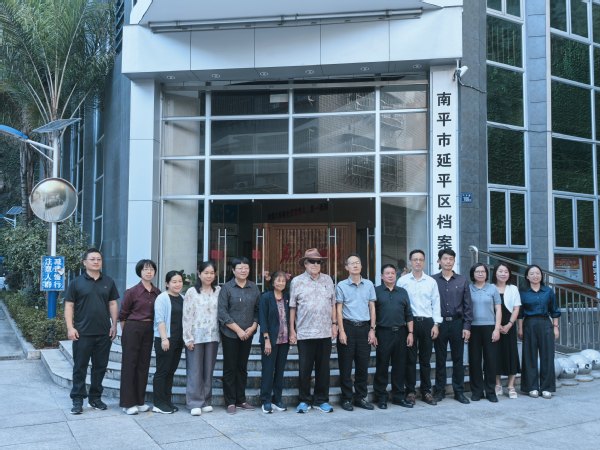
To further explore and document the college's educational heritage, enrich the college's historical records of its wartime relocation during the Chinese People's War of Resistance against Japanese Aggression, and carry forward Hwa Nan's educational spirit of rooting itself in Fujian and serving the nation through education, President Ren Jianhong and Vice President Wu Lanjia recently led a delegation to Yenping District, Nanping, for special historical research and field tracing. Professor Gordon Trimble, a foreign faculty member and descendant of the Trimble family, joined the delegation with his wife Sonia Trimble. The couple accompanied the team to revisit the college's relocation years in Yenping and uncover the precious shared memories between Hwa Nan and the local community.
In 1938, in response to the prevailing circumstances of the Chinese People's War of Resistance against Japanese Aggression, the private Hwa Nan College of Arts and Sciences relocated in its entirety to Nanping to preserve the legacy of women's education and sustain its educational mission. During the eight years of operation in Yenping, the college received unwavering support from Jianjin Middle School, which generously provided its school buildings free of charge, ensuring the orderly conduct of teaching activities.
Under the leadership of President Wang Shijing, the entire faculty and student body stood united and persevered through adversity, holding firm to their educational mission despite severe shortages of supplies and a volatile situation. Confronted with challenges such as the loss of school equipment and severe shortages of supplies, the faculty and students proactively reached out to relevant authorities and made tireless efforts to recover teaching equipment, ensuring the normal operation of classroom instruction. Meanwhile, they actively participated in rear-area support work, processing self-grown rations into military supplies for the front lines and contributing to the War of Resistance through concrete actions that fulfilled their mission of serving the nation through education. These efforts left a precious educational legacy in Yenping and forged a profound bond between the college and the local community. As descendants of the family of the college's founders, the Trimble ancestors had been deeply engaged in education and healthcare in northern Fujian in earlier years, establishing strong ties with Nanping. Their story has become an integral part of Hwa Nan's shared heritage with the local community and its history of Sino-foreign cultural exchange.
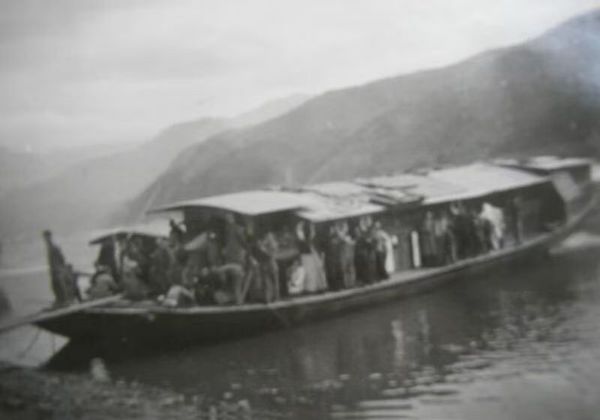
The private Hwa Nan College of Arts and Sciences in Nanping, a mountainous city in northwestern Fujian, during the Chinese People's War of Resistance against Japanese Aggression.
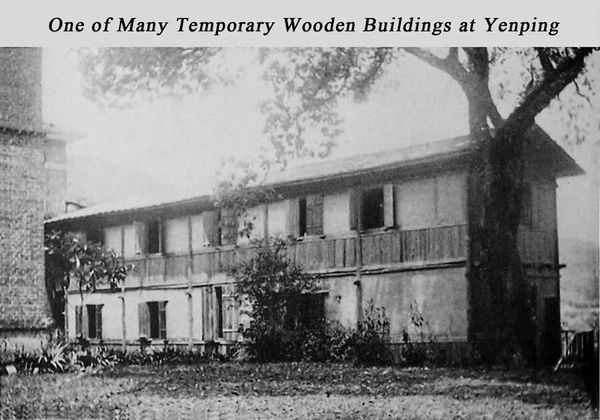
Wartime campus in Nanping during the Chinese People's War of Resistance against Japanese Aggression
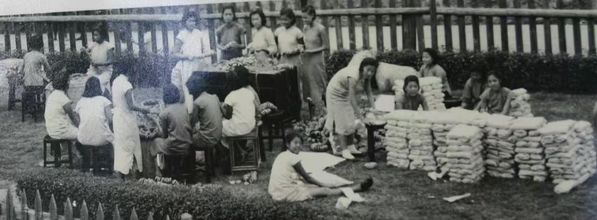
Hwa Nan faculty and students preparing military supplies for the front lines of the Battle of Dahu, 1941
The research trip centered on tracing the college's historical roots and enriching its archival records. The delegation first visited the Yanping District Archives in Nanping, where they viewed the special exhibition Kuliang Bond, Yenping Ties: Stories of China-US People-to-People Friendship in Yanping. Drawing on primary sources—including archival holdings, historical photographs, and written records—the team systematically reviewed the college's operational details during its relocation to Nanping, cross-checked and refined historical materials, and further clarified the developmental trajectory of the college's wartime educational endeavors.
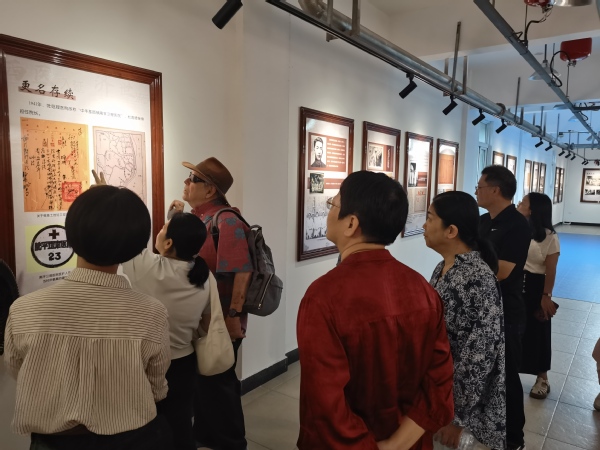
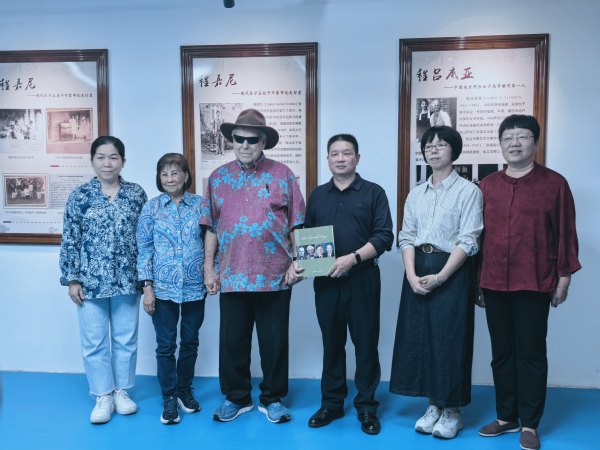
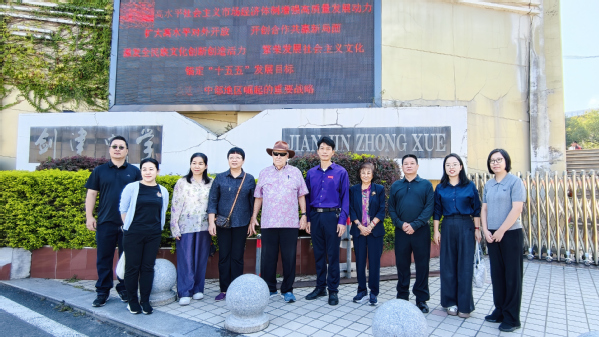
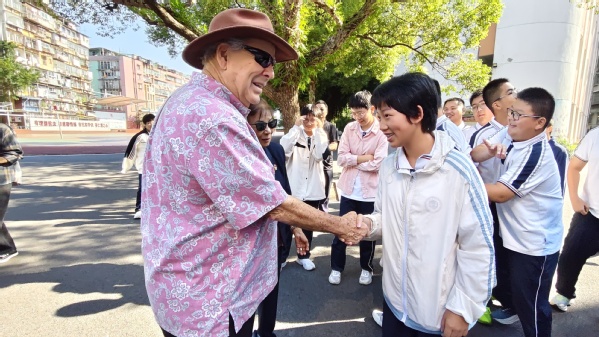
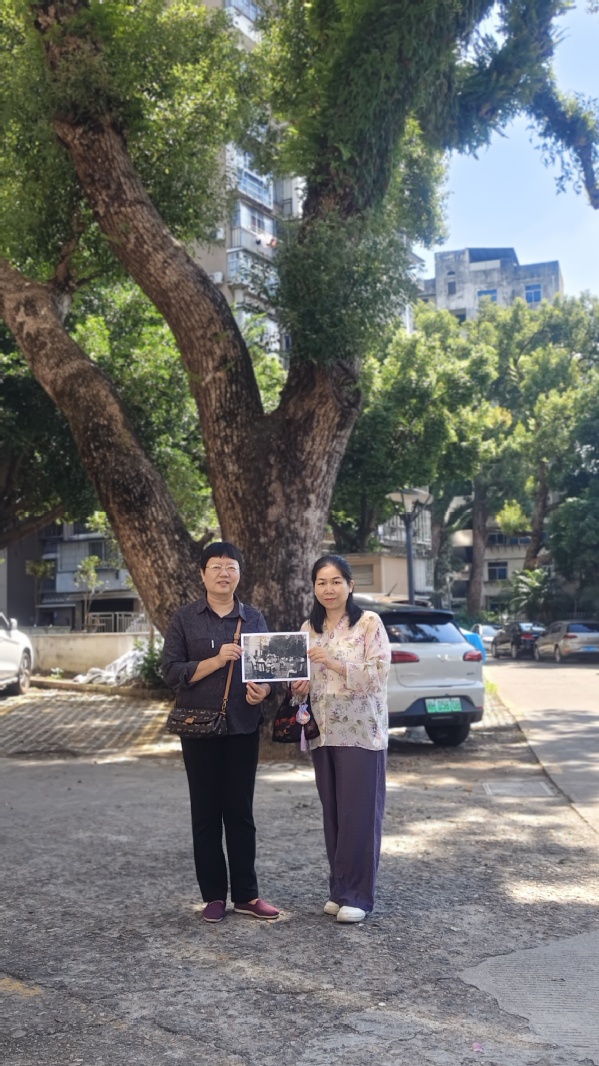
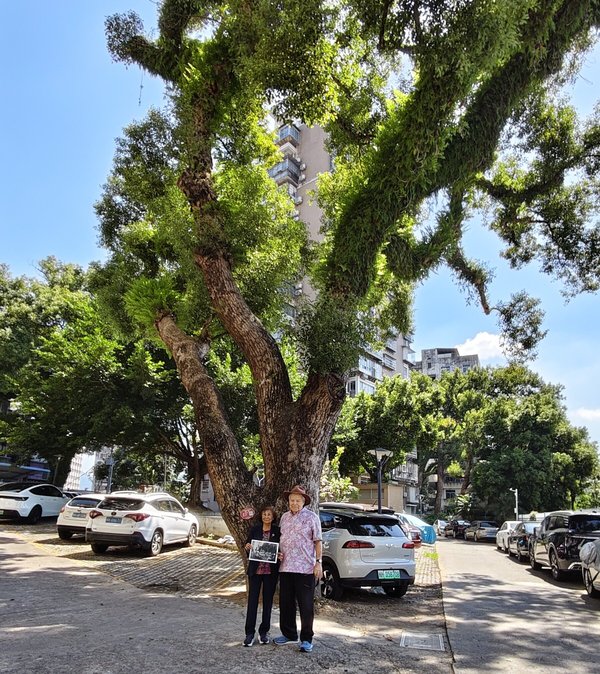
Subsequently, the delegation conducted on-site visits to several historical sites, including Jianjin Middle School and Nanping First Hospital. At Jianjin Middle School, the team toured the original campus site where Hwa Nan had relocated during the war years, revisiting the touching history of mutual support and shared educational mission between the two schools during those turbulent times, and gaining a profound appreciation for the sense of responsibility and commitment with which the college's predecessors upheld their original educational aspirations. At Nanping First Hospital, drawing on local historical materials, the delegation learned more about the history of foreign friends who had served the local community in Nanping since modern times, thereby enriching the college's historical resources on international exchange and its symbiotic development with the locality. The visit then led the delegation to Huangjinshan Community, where they found a 159-year-old camphor tree—an enduring living relic from the college's wartime relocation that still stands today.
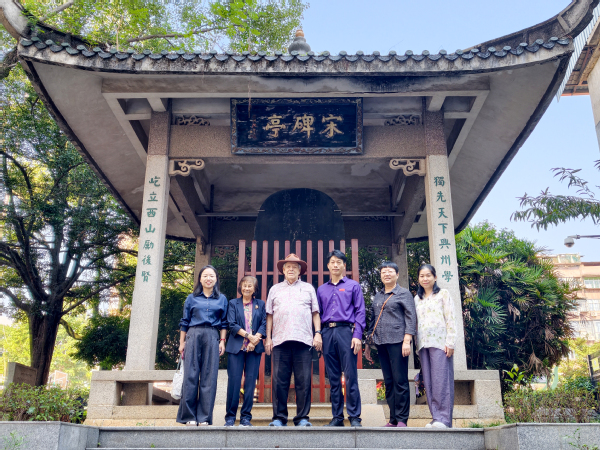
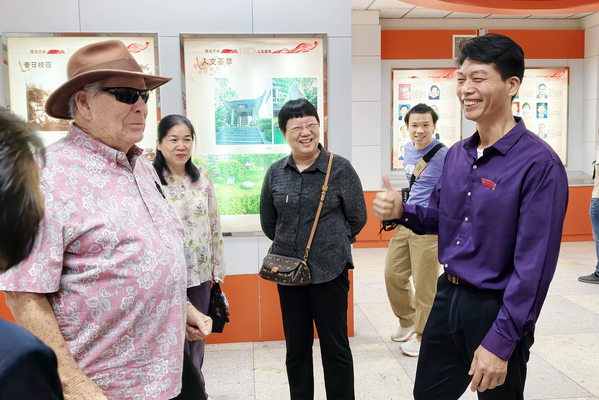
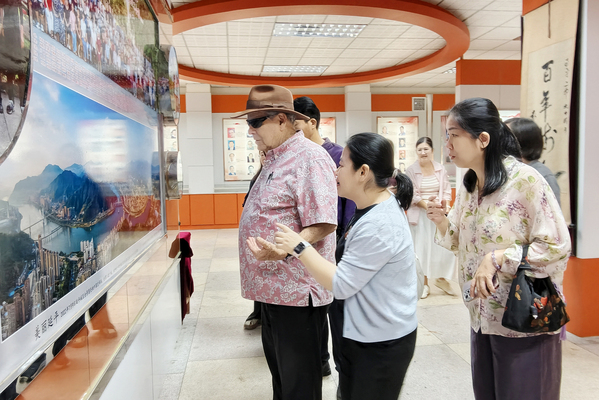
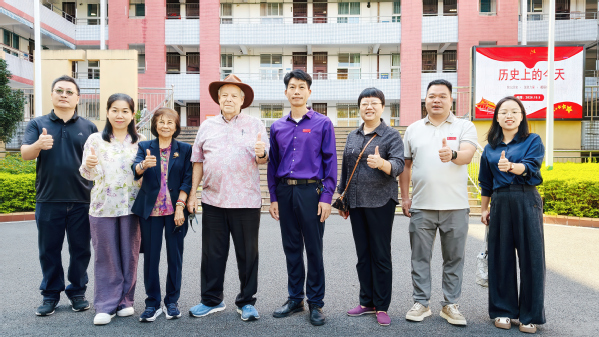
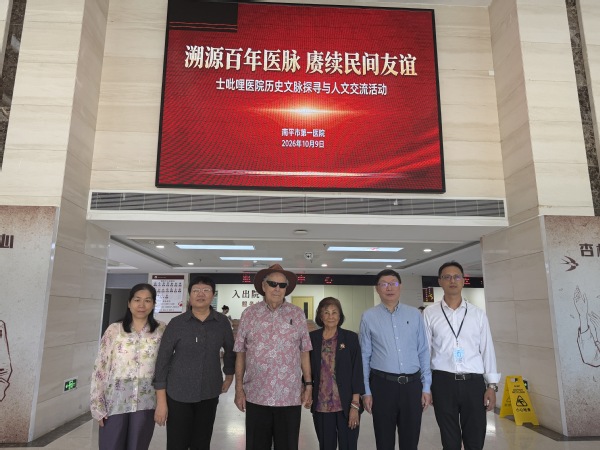
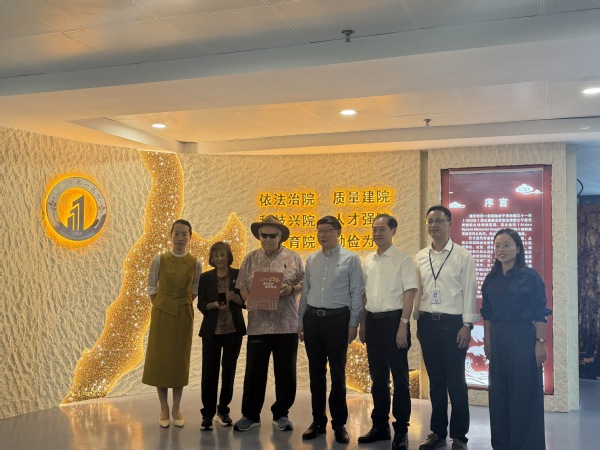
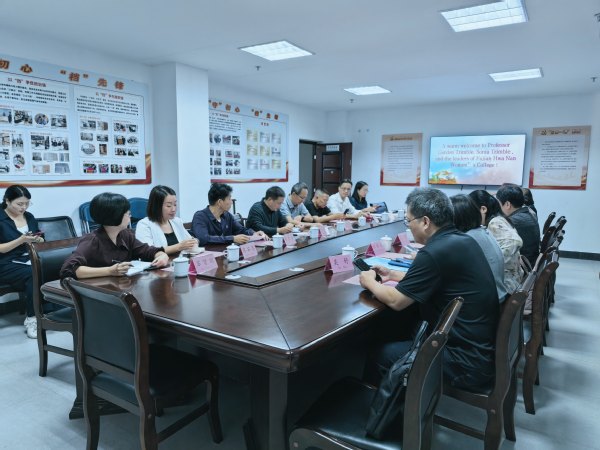
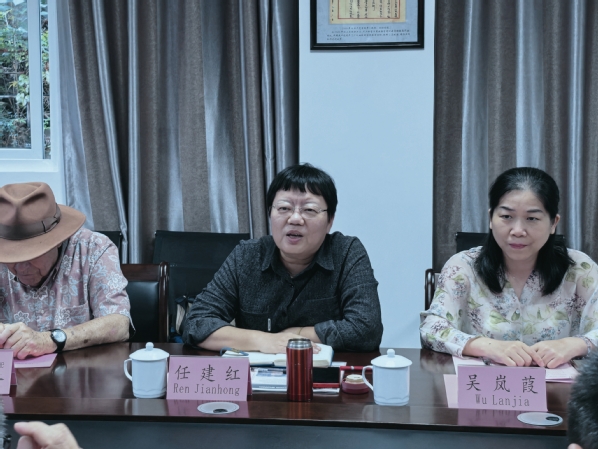
During the research trip, the college held discussion sessions with representatives from relevant institutions, including the Foreign Affairs Office of Nanping City, the Foreign Affairs Office of Yanping District, the Yanping District Archives, Nanping First Hospital, Jianjin Middle School, and Huangjinshan Community. At the meeting, President Ren Jianhong summarized the core significance of the Yanping visit across three dimensions: study and exchange, historical tracing, and value creation. She noted that the visit, through in-depth exchanges with sister institutions in Nanping, had broadened the horizons of school history research. It was also a history-seeking journey of root-tracing and cultural lineage completion, which effectively sorted out and enriched the historical details of the college's wartime relocation and education, thereby consolidating the foundation of the college's century-long history. Furthermore, it was a quality-enhancing journey of activating resources and empowering development, endowing new value to the subsequent in-depth exploration of school history and culture, the telling of Hwa Nan's stories, and the deepening of college-local collaboration and Sino-foreign cultural exchange. Participants engaged in extensive discussions on topics such as the excavation of school historical materials, the inheritance of historical culture, the co-construction of college-local culture, and Sino-foreign cultural exchange, sharing historical clues and exploring ways to carry forward the shared cultural heritage. The Director of the Foreign Affairs Office of Nanping City delivered concluding remarks, affirming the college's dedication to school history research and the inheritance of its educational spirit, and expressing the hope that college-local collaboration would be further deepened to jointly activate and utilize historical and cultural resources.
The turbulent war years tempered the college's original educational aspirations, while a century-long cultural legacy continues to write a new chapter for the times. This histor y-tracing journey to Nanping was a pragmatic endeavor to excavate the college's memories and inherit its educational spirit, effectively filling in the historical details of the college's wartime relocation and education. Moving forward, the college will systematically sort out and organize the historical resources gathered from this research trip, delve deeply into the inspiring stories of President Wang Shijing and generations of Hwa Nan faculty and students who persevered through hardship and dedicated themselves to education in service of the nation, carry forward the educational spirit of resilience, benevolence, and unwavering commitment, continue to tell Hwa Nan's stories well, and steadily consolidate the cultural foundation of the college's century-long history.